
Insights and News
Not knowing your bone density score is like not knowing your weight.
Newsletter
August 23, 2024
WELCOME TO THE OSTEOBLAST NEWSLETTER, a 5 minute read for a lifetime of benefits. The wellness technologies we discuss amplify natural forces that shape strong bodies, offering greater gains in bone density, muscle strength, athletic performance, health and healing than traditional athletic exercise.
“If you cannot measure it, you cannot manage it”
-Peter Drucker
What is a T-Score?
Every day we get calls from people who are in complete shock to discover they have osteopenia or osteoporosis, when they suddenly had a fracture doing something completely innocuous. Largely preventable and simply measuring and managing it, like you do your weight.
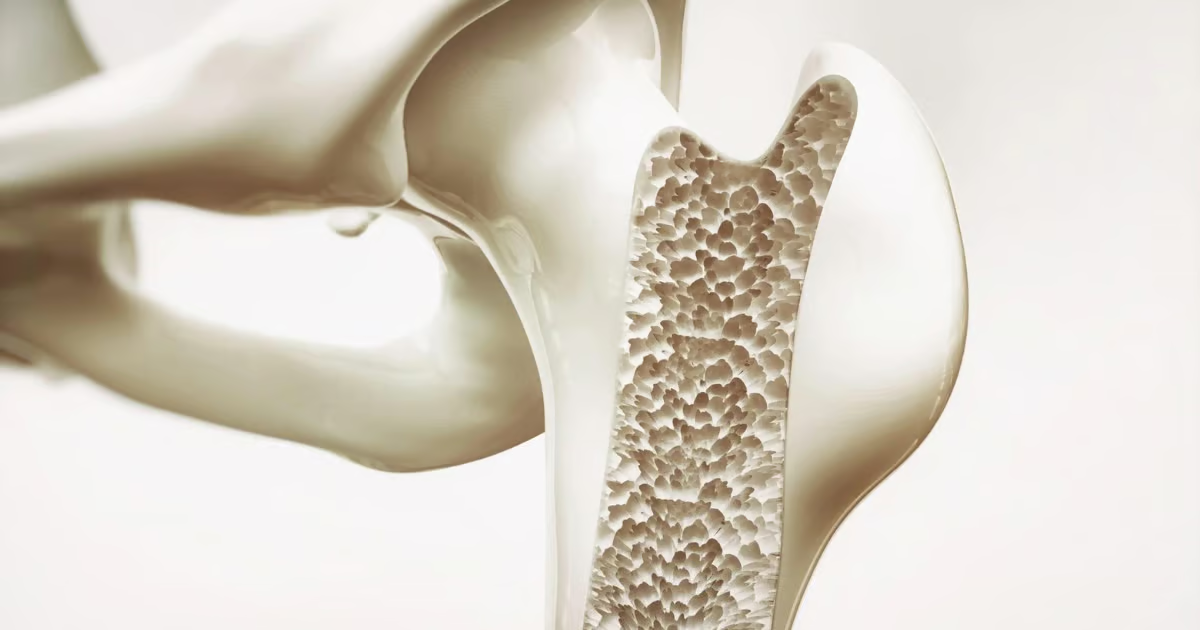
A T-Score is a measurement used to assess the density of your bones, and it’s one of the key indicators used in bone density scans (also known as DEXA scans). This score compares your bone density to that of a healthy young adult (around age 30), which is considered the peak bone mass for most people.
Here’s how the T-Score is interpreted:
Normal Bone Density (T-Score of +1 to -1): If your T-Score falls within this range, your bone density is considered normal. This means that your bones are as dense as those of a healthy young adult.
Osteopenia (T-Score of -1 to -2.5): This range indicates that your bone density is lower than normal, but not low enough to be classified as osteoporosis. Osteopenia is a warning sign that you may be at increased risk for developing osteoporosis in the future.
Osteoporosis (T-Score of -2.5 and below): A T-Score in this range means that your bone density is significantly lower than normal, and you have osteoporosis. This condition greatly increases the risk of bone fractures, even with minimal impact.
Why is Knowing Your T-Score Important?
Understanding your T-Score is crucial because it provides insight into your bone health and your risk of fractures. Here’s 5 reasons why knowing and monitoring your T-Score is so important:
Early Detection of Bone Loss: Your T-Score can detect early signs of bone density loss, because there are no symptoms. This early detection allows you to take proactive steps to strengthen your bones and prevent further deconditioning
Risk Assessment: A lower T-Score means a higher risk of fractures. By knowing your T-Score, you and your healthcare provider can assess your fracture risk and take necessary precautions, such as lifestyle changes, nutrition adjustments, and targeted exercise.
Tracking Changes: We all lose between 1-3% bone density every year. This can be rapidly accelerated by certain medications, chemotherapy and menopause and even just lifestyle changes can affect your bone health. Monitoring your T-Score over time can show the impact of this in a tangible way to see changes and make informed decisions about your health. We recommend a scan at least every 12 months.
Overall Strength: Your bone density score is a good indicator of your muscular strength as they are intrinsically connected. Low bone mass causes low muscle mass. Bone health also underpins your overall health as strong bones provide structural support, protect vital organs, enable mobility and act as a mineral store for your body.
Guiding Light: Knowing your T-Score helps you and your healthcare professional uncover any deficiencies and guide you on the best course of action for maintaining or improving your bone health. Whether it’s increasing your calcium and vitamin D intake, doing OsteoStrong, or considering other interventions, knowing your T-Score is critical for longevity, vitality and peace of mind.
Would you like a FREE Ultrasound Heel Bone Scan?
We have an exciting opportunity just for you. Now’s your chance to find out your current T-Score with a complimentary ultrasound bone scan. Simply click here to join our waiting list for a free heel bone scan at OsteoStrong Tunbridge Wells. As soon as our next booking slots open, you’ll be the first to know. Secure your spot today!
Till next time,
Ryan