
Science and Studies
OsteoStrong is rooted in science, with decades of research and clinical studies supporting its effectiveness in improving bone density, muscle strength, and balance. Drawing on principles like Wolff’s Law and advancements in biomechanics, OsteoStrong’s methods are designed to stimulate your body’s natural adaptive responses. Multiple peer-reviewed studies have demonstrated the impact of osteogenic loading on bone health and overall musculoskeletal performance, providing a safe and proven solution for combating conditions like osteoporosis, improving mobility, and enhancing physical resilience. Explore the science that’s transforming lives worldwide.
Science Review
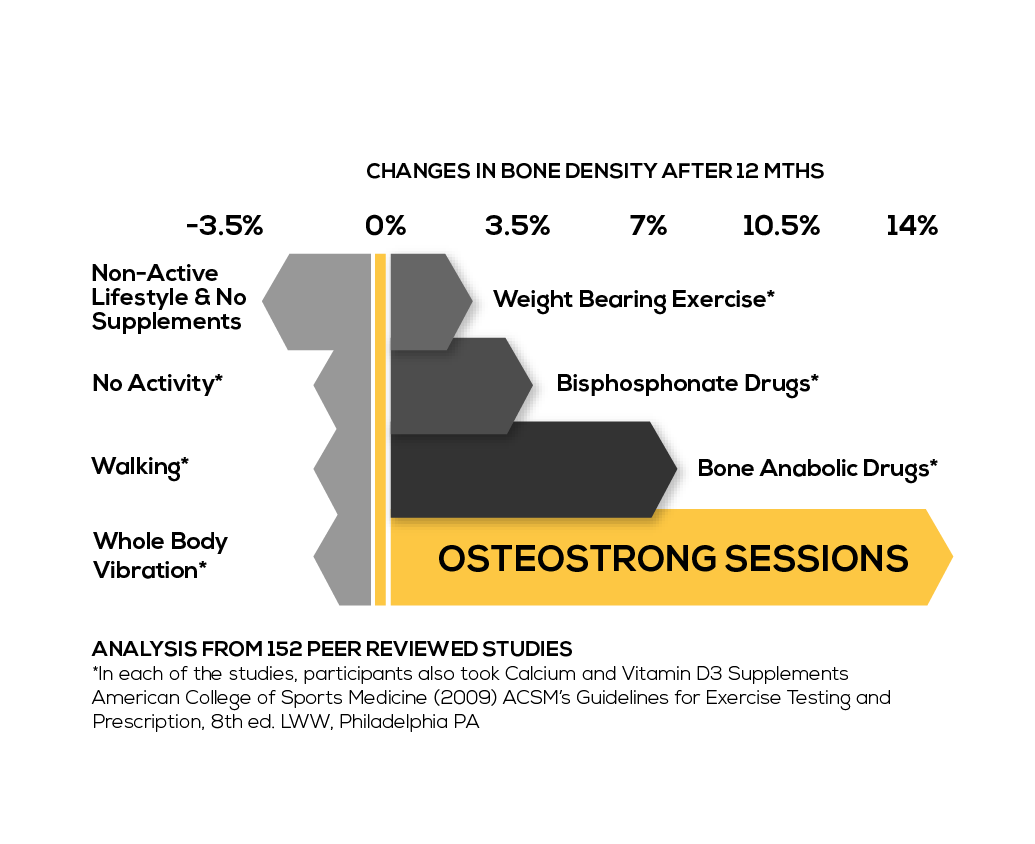
After reaching peak bone density at about ago 30, most people lose between 1% and 2% of their bone density annually, depending on many lifestyle, medical and nutritional factors.
Other factors such as menopause, thyroid conditions, and long-term use of some medications can result in up to 10% bone loss annually for some people.
For many people, OsteoStrong has been sciemtifically demonstrated to reverse bone loss better than conventional exercise, and pharmaceuticals.
Osteostrong technology has been proven to improve muscle strength and the significant health benefits are similar to heavy weightlifting. It promotes development of fast twitch muscle which is critical for reflexes, necessary for balance, and reducing fall and fracture risk. For athletes, super bone density overcomes neural inhibition plateaus, allowing more muscle growth for high performance explosive action on the track and field.
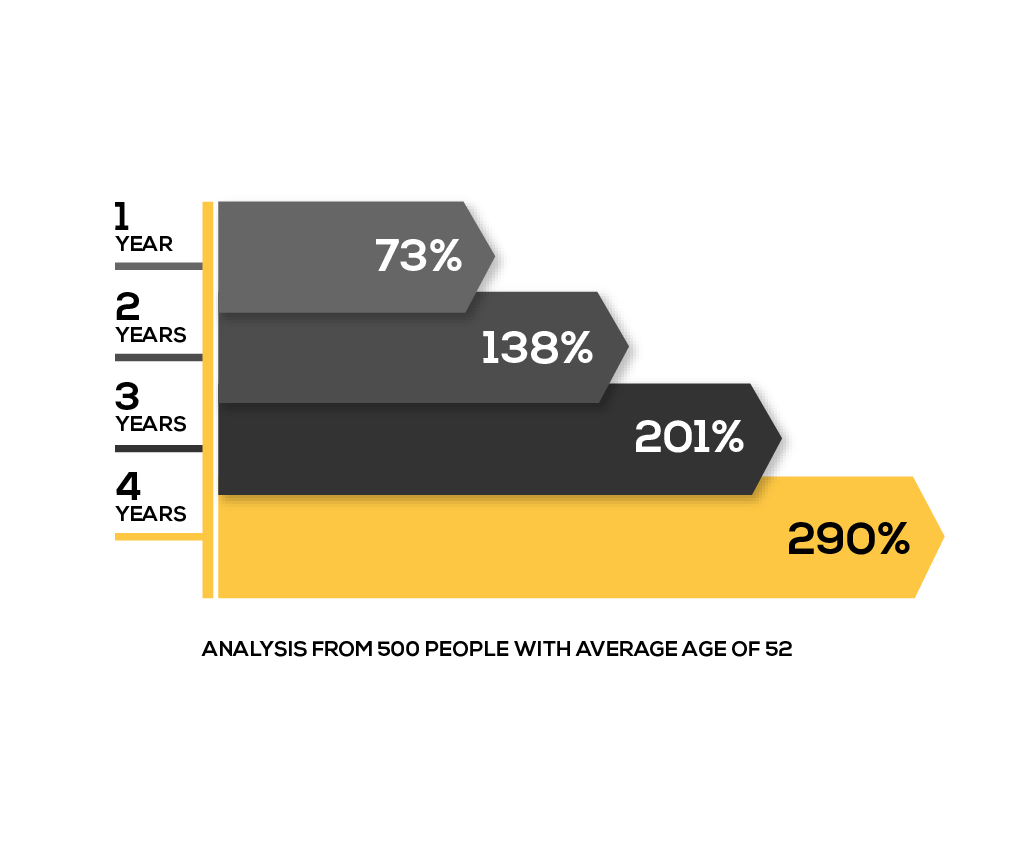
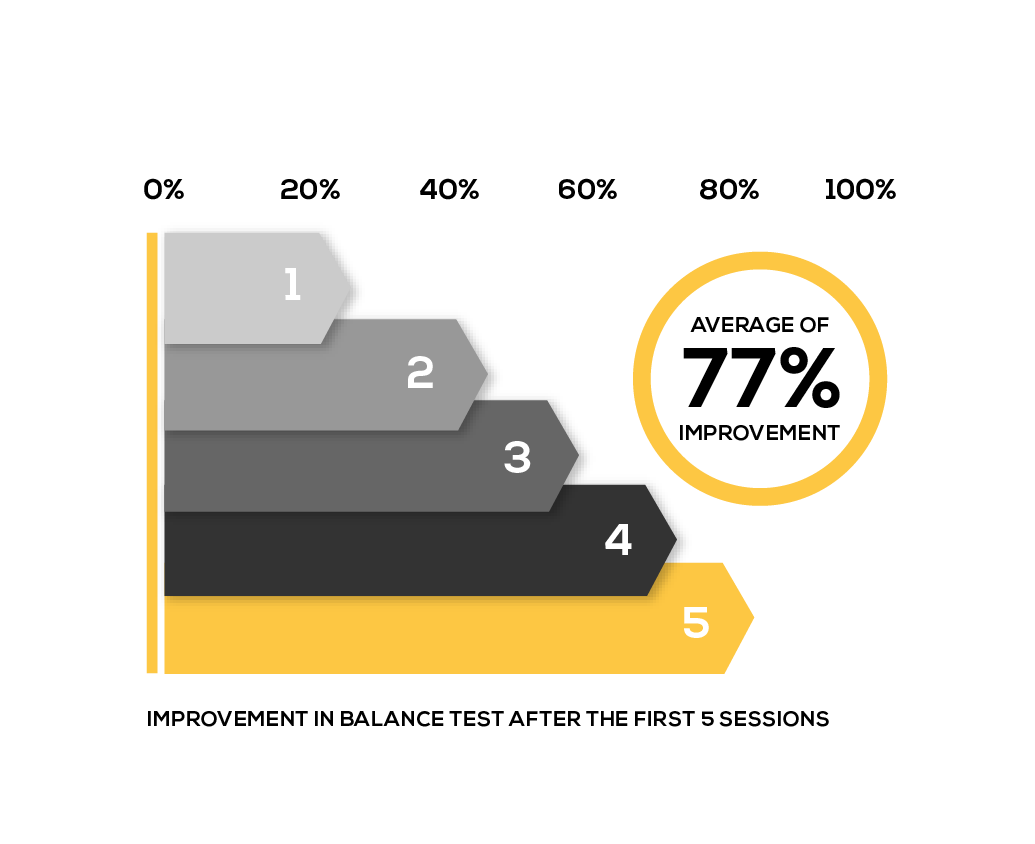
In 2002 every day 364 Australians were admitted to hospital as a result of a fall. This highlights the importance of developing and maintaining good balance which prevents falls, improves muscle strength and flexibility, sharpens cognitive function, aids in chronic disease management, enhances quality of life, and promotes mobility.
This Case Study demonstrates how quickly balance can be improved at OsteoStrong, providing significant benefits for both lifespan and healthspan.
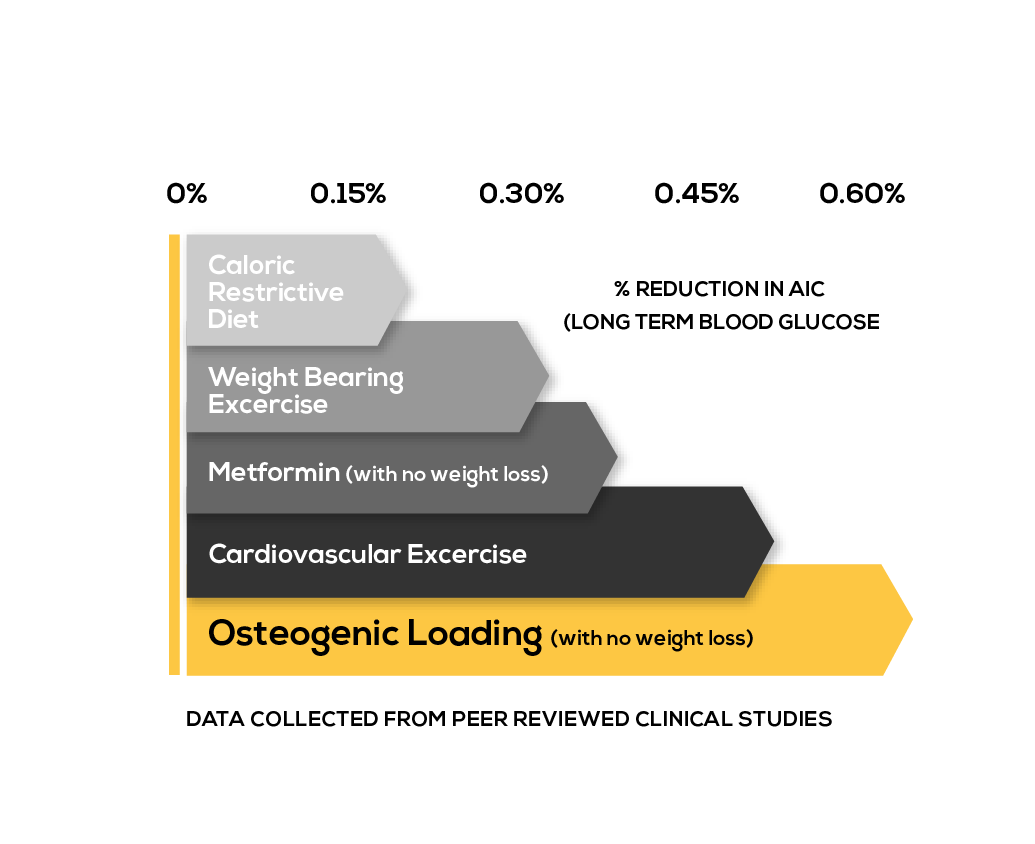
Various reliable and safe treatment strategies exist for managing Diabetes Type 2 and metabolic dysfunction. Fortunately these methods can be employed singularly or in combination to improve effectiveness. Remarkably, as a standalone therapy , as demonstrated by the 2015 UK Study, OsteoStrong demonstrated superior ability to reduce HbA1c levels, a crucial long-term blood glucose measure, outperforming other standard care approaches.
2023 Greek Study
OsteoStrong® Improves Bone Mineral Density – Abstract presented at the global Endocrine Society Annual Conference held in Chicago June 2023 – ENDO23.
“The Study showed a significant improvement of BMD (bone mineral density) in the lumbar spine in people with osteoporosis treated with OsteoStrong® with or without anti-osteoporotic medication. The OsteoStrong® system may have a synergistic effect with anti-osteoporotic medication significantly reducing bone fracture risk.” Dr Nektaris Papadopoulou, Endocronologist, EMD, PhD, Researcher
“Bone is a live tissue, it’s not a stone, it has cells that respond to both pulling and pushing and OsteoStrong® is a method that uses a certain amount of pressure, usually 4.2 times the body weight, on the bones of the spine and the hip. Osteogenic loading effectively contributes to the enhancement of bone health. The statistically signifcant results provide evidence of the positive impact of OsteoStrong® in addresssing osteoporosis and potentially reducing the risk of fractures.”
Dr George Chrousos, Endocronologist, MD, FAAP, MACP, MACE, MD (Hon)
Peer Reviewed Studies
Effective Brief, Low-impact, High-intensity Osteogenic Loading in Postmenopausal Osteoporosis
The Journal of Clinical Endocrinology & Metabolism
Published: 17 February 2025
Read MoreA Small Amount Of Precisely Measured High-Intensity Habitual Physical Activity Predicts Bone Health In Pre And Post-Menopausal Women In UK Biobank
International Journal Of Epidemiology
Published: 29 June 2017
Read MoreAxial Bone Osteogenic Loading-Type Resistance Therapy Showing BMD and Functional Bone Performance Musculoskeletal Adaptation Over 24 Weeks with Postmenopausal Female Subjects
Journal of Osteoporosis and Physical Activity
Published: 28 June 2015
Read MoreThe Effects Of Axial Bone Osteogenic Loading-Type Resistance Exercise On Adults With Risk Of Moderate-Metabolic Dysfunction: A Pilot Study
Journal Of Diabetes And Metabolism
Published: 28 April 2015
Read MoreWorld Congress on Osteoporosis, Osteoarthritis and Musculoskeletal Diseases (WCO-IOFESCEO 2015): Non-sponsored Symposia Abstract
© International Osteoporosis Foundation and National Osteoporosis Foundation 2015
Published: 1 March 2015
Read MorePhysical Activity And Bone: May The Force Be With You
Frontiers In Endocrinology
Published: 3 March 2014
Read MoreHabitual Levels Of High, But Not Moderate Or Low, Impact Activity Are Positively Related To Hip BMD And Geometry: Results From A Population-Based Study Of Adolescents
Journal Of Bone And Mineral Research
Published: 12 April 2012
Read MoreStatic Tensional Forces Increase Osteogenic Gene Expression In Three-Dimensional Periodontal Ligament Cell Culture
BMB Reports
Published: 26 February 2009
Read MoreIntensity Of Exercise Is Associated With Bone Density Change In Premenopausal Women
Osteoporos Int
Published: 11 June 2006
Read MoreEffects of high-impact exercise on bone mineral density: a randomized controlled trial in premenopausal women
Osteoporos Int (2005)
Published: 17 June 2005
Read MoreLoad-Specific Differences In The Structure Of Femoral Neck And Tibia Between World-Class Moguls Skiers And Slalom Skiers
Scandinavian Journal Of Medicine & Science In Sports
Published: 20 December 2000
Read More