
Insights and News
If You’re Taking a GLP-1, Your Bones Health Deserves Extra Attention.
Blog
April 21, 2026
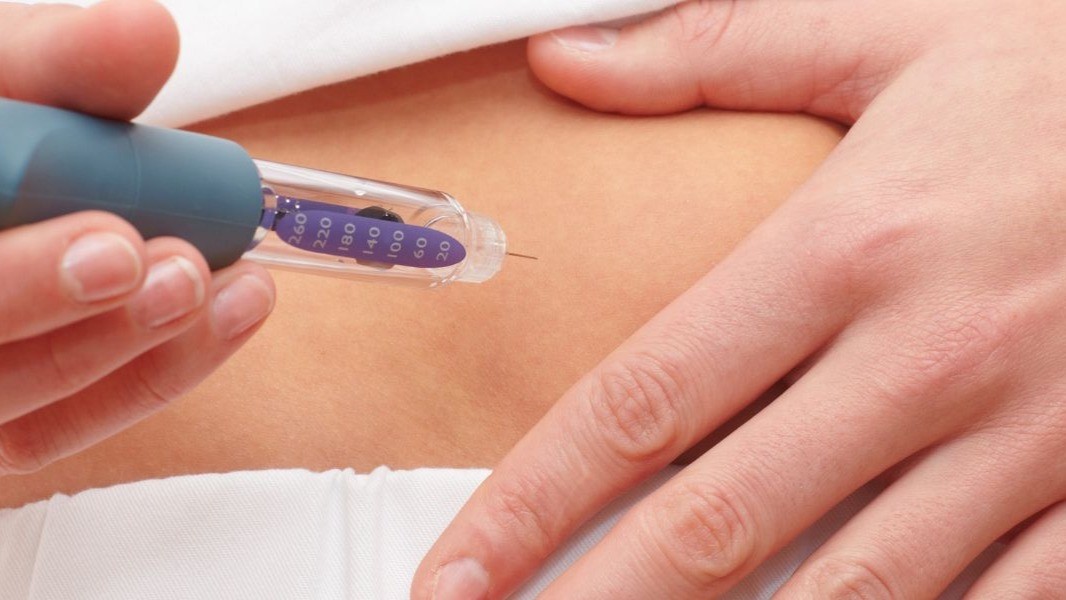
GLP-1 medications like Ozempic, Wegovy, Mounjaro, and Zepbound have been a game-changer for millions of people managing weight and type 2 diabetes. That’s not up for debate.
But as these drugs become some of the most widely prescribed medications in history, researchers are starting to look at what happens beyond the first year or two — and some of the findings are worth paying attention to, especially if you care about your bone health.
What the Research Is Saying
At the American Academy of Orthopaedic Surgeons’ 2026 Annual Meeting, two studies grabbed headlines.
The bigger one analyzed medical records for more than 73,000 people taking GLP-1 medications and compared them to the same number of people who weren’t. After five years, the researchers found that GLP-1 use was linked to a significantly higher risk of developing osteoporosis compared to those not on the medication. They also found higher rates of gout and osteomalacia (bone softening).
“Any medication that sees this rapid adoption warrants close examination,” said Muaaz Wajahath, the study’s lead investigator at Michigan State University. “The long-term effects of GLP-1 exposure on bone and joint health remain poorly understood.”
A separate study reported by Fox News found that GLP-1 drugs may raise fracture risk by 11% in adults 65 and older with type 2 diabetes, compared to other diabetes medications.
Meanwhile, The Washington Post covered additional findings showing GLP-1 users faced a higher risk of bone and tendon injuries — not just density loss.
Why Would Weight Loss Affect Your Bones?
This part actually makes a lot of intuitive sense. Your bones are living tissue that constantly adapts to the forces placed on them. When you carry more weight, your skeleton bears more load, and your bones respond by staying denser and stronger.
The New York Times recently noted a similar pattern with muscle loss during GLP-1 use — another area where rapid weight change can have downstream effects on strength and stability.
When you lose weight, especially rapidly, that mechanical load decreases. Less stress on the skeleton means the body has less reason to maintain the same bone density. As Medical News Today explained, the concern isn’t just about the drugs themselves — it’s about what happens to your musculoskeletal system when body composition changes quickly.
It’s Not All Bad News
To be fair, these same researchers found some encouraging results too. GLP-1 users who underwent orthopedic surgeries showed fewer emergency department visits and lower surgical site infection rates after knee and hip replacements. The drugs appear to have anti-inflammatory benefits that help with surgical recovery.
And the osteoporosis risk, while statistically significant, is described as “slightly higher” — not dramatic. The researchers are clear that more prospective studies are needed.
The takeaway isn’t “stop taking your GLP-1.” It’s “if you’re on one, your bone health deserves extra attention.”
What the Experts Recommend
The researchers and physicians quoted across these studies keep landing on the same advice:
- Bone health surveillance — If you’re on a GLP-1, talk to your doctor about monitoring your bone density, especially if you’re over 50 or have other risk factors for osteoporosis.
- Incorporate Heavy Weight-Bearing Exercises: Engage in suitable activities that trigger osteogenesis like OsteoStrong® which safely mimics heavy weightlifting in a slow, controlled, and measurable way to stimulate bone formation and maintain muscle mass, to counterbalance the potential bone density loss associated with weight loss.
- Adequate protein and vitamin D — Supporting bone health from the nutrition side becomes even more important during significant weight loss.
- Don’t just cardio your way through it — Walking is great, but it doesn’t provide the bone-building stimulus that higher-impact or resistance-based activity does.
As the lead investigator Wajahath noted: “Clinicians should consider bone health surveillance and monitor for delayed-onset complications in at-risk populations. These changes can be implemented immediately.”
The Bottom Line
GLP-1 medications are helping millions of people. That’s a good thing. But any time your body goes through rapid change, whether it’s weight loss, hormonal shifts, or ageing, your bones can be affected in ways that aren’t immediately obvious.
The smart move isn’t to panic. It’s to be proactive. Know where your bone health stands. Get it measured. By monitoring bone density, maintaining nutrient levels, and incorporating a suitable program like OsteoStrong®, you can maximise the benefits of GLP-1 medications while safeguarding your bones.